


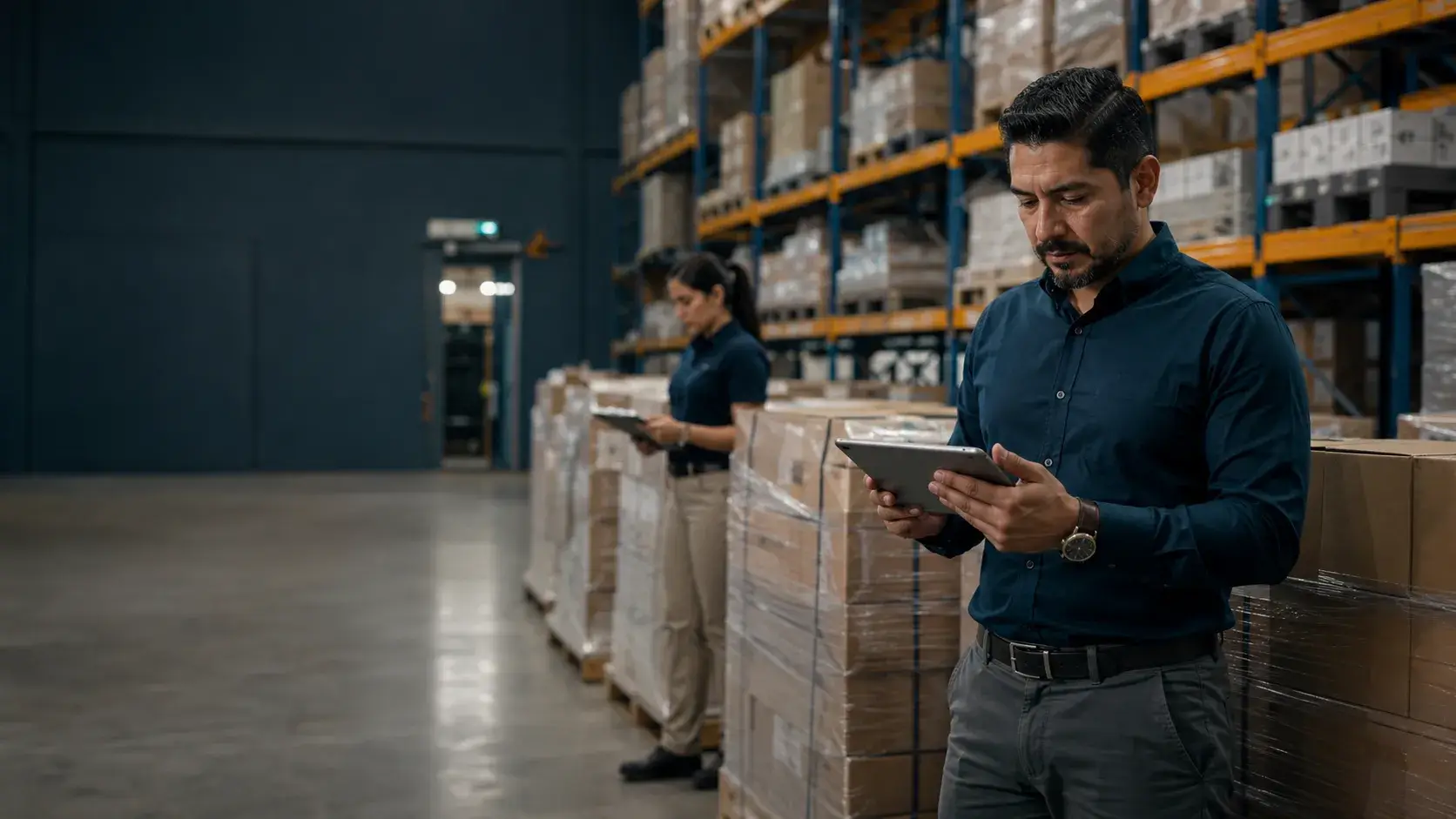

Importing or exporting goods requires documentation, controls, and coordination among customs authorities, carriers, warehouses, and businesses. A customs agency in Costa Rica helps organize these procedures and provides greater visibility throughout the operation.
What Does a Customs Agency in Costa Rica Do?
A customs agency represents and supports importers and exporters during procedures related to the clearance of goods. Its role is to help ensure that each operation follows the applicable customs requirements.
The work may include reviewing commercial documents, identifying missing information, coordinating permits, preparing declarations, and responding to questions or inspections requested by customs authorities.
A customs broker may also assist with tariff classification. This process identifies the appropriate classification for each product and helps determine the duties, regulations, restrictions, or special treatment that may apply.
Common Responsibilities
- Review shipment documentation.
- Coordinate import and export clearance.
- Support tariff classification.
- Verify the applicable customs regime.
- Coordinate inspections when required.
- Communicate with customs authorities, carriers, and warehouses.
- Advise clients on documentation and permits.
- Monitor the process through release and dispatch.
Reliable customs management is not limited to submitting documents. It should also identify potential inconsistencies, communicate problems early, and keep all participants aligned throughout the operation.
When Is a Customs Agency Needed?
A business may require customs brokerage services when importing, exporting, moving goods in transit, or using a special customs regime. The specific need depends on the type of merchandise and the conditions of the operation.
Early involvement from a customs specialist may help identify issues before the shipment arrives in Costa Rica. An incomplete invoice, an inaccurate product description, or a missing authorization can lead to additional reviews and avoidable delays.
A customs broker in Costa Rica can be especially helpful for first-time imports, regulated merchandise, tariff classification questions, bonded warehouse operations, customs inspections, and international transportation coordination.
How Does the Customs Clearance Process Work?
1. Initial Review
The agency reviews the type of merchandise, country of origin or destination, commercial value, mode of transportation, available documents, applicable permits, and intended customs regime.
2. Collection of Documents
Documents may include the commercial invoice, packing list, transportation document, permits, and importer or exporter information. Requirements vary according to the product and operation.
3. Arrival and Reception of the Goods
When the shipment arrives, it must be registered and kept under control. At JPL, the quantity and condition of the goods are verified, photographs and videos are produced as supporting evidence, and the client receives a report describing the initial condition of the merchandise.
4. Customs Declaration and Review
The customs agency prepares and submits the information required for clearance. Depending on the applicable risk analysis, the merchandise may be subject to a documentary review or physical inspection.
5. Authorization and Dispatch
Once the applicable requirements have been addressed and authorization has been granted, the goods may continue to their destination. At JPL, the operational flow connects reception, inventory control, customs review, and delivery to the carrier.
Which Documents May Be Required?
The documentation required for customs clearance depends on the product and the type of operation. Common documents may include:
- Commercial invoice.
- Packing list.
- Transportation document.
- Applicable permits or authorizations.
- Importer or exporter information.
- Certificates related to the product or country of origin.
A reliable customs agency should explain which documents are needed and identify inconsistencies before they affect the operation.
What Is a Customs Inspection?
A customs inspection is a review intended to confirm the declared information and verify the characteristics of the merchandise.
Authorities may review the product type, quantity, condition, labeling, tariff classification, documentation, and consistency between the declaration and the physical cargo.
JPL has a dedicated area for customs inspections with visual supervision. The process may be documented through photographs and videos, providing greater transparency and evidence regarding the handling of the cargo.
Difference Between a Customs Agency and a Bonded Warehouse
Although both services participate in import operations, they perform different functions.
- The customs agency manages documentation, declarations, regulatory requirements, and clearance coordination.
- The bonded warehouse receives, controls, and stores goods that remain under customs supervision.
- The carrier transports the merchandise.
- Customs authorities supervise regulatory compliance.
JPL integrates bonded warehousing and customs brokerage services. The goods are received, registered, stored, and made available for any required inspection while the customs team manages documentation and coordinates the parties involved.
How to Choose a Reliable Customs Agency
Choosing a customs provider based only on price may be insufficient. Businesses should also evaluate:
- Technical knowledge: the ability to interpret requirements and identify risks.
- Clear communication: understandable information regarding documents, stages, and pending actions.
- Coordination capabilities: communication with authorities, carriers, and warehouses.
- Traceability: information regarding the location and condition of the goods.
- Transparency: clear explanations of procedures, requirements, and potential costs.
- Complementary services: access to transportation and bonded warehousing.
Common Customs Clearance Mistakes
Many delays are caused not by transportation itself, but by incorrect, incomplete, or late information.
- Product descriptions that are too general.
- Differences between the invoice, packing list, and transportation document.
- Incorrect tariff classification.
- Missing permits.
- Poor transportation coordination.
- Failure to document the condition of the goods.
JPL registers the quantity and condition of the merchandise upon arrival. Visual evidence and reception reports provide a clear reference from the beginning of the process.
Why Traceability Matters
Traceability helps clients know whether the shipment has been received, what condition it was in upon arrival, how many packages were registered, whether an inspection is pending, and when it may be delivered to the carrier.
At JPL’s bonded warehouse, control begins at reception. The quantity and condition of the goods are recorded and supported with photographs and videos. Inventory records are kept updated, and the client receives information regarding the stored merchandise.
Customs Brokerage, Transportation, and Logistics
An import or export does not begin or end at customs. Before clearance, companies must plan purchasing, transportation, documentation, and arrival. After release, the goods must still be delivered to their final destination.
JPL is a transportation and logistics company serving shipments to and from Costa Rica. Its services include customs brokerage and bonded warehousing, allowing several stages to be coordinated within a connected operational environment.
JPL as a Customs Agency in Costa Rica
JPL provides transportation, logistics, bonded warehousing, and customs brokerage services in Costa Rica. The service is designed for companies and individuals that need support with import, export, and cargo movement procedures.
JPL’s operational model includes:
- Registration of quantity and condition upon arrival.
- Photographs and videos as supporting evidence.
- Detailed reception reports.
- Updated digital inventory.
- A dedicated area for customs inspections.
- Visual supervision during inspections.
- Coordination of delivery to the carrier.
Conclusion
Choosing a customs agency in Costa Rica means selecting a partner for one of the most important stages of an international logistics operation. The provider should be able to review documents, interpret requirements, coordinate inspections, and keep the client informed.
JPL connects customs management with transportation, warehousing, and cargo control, supporting the merchandise from arrival through final delivery.
Frequently Asked Questions
What does a customs agency in Costa Rica do?
It manages procedures related to imports, exports, and customs clearance. It may also review documents, coordinate with authorities, and advise clients regarding applicable requirements.
What is the difference between a customs agency and a bonded warehouse?
A customs agency manages documentation and customs procedures. A bonded warehouse receives, controls, and stores merchandise that remains under customs supervision.
Which documents are required to import goods?
Requirements depend on the product and operation. Common documents include the commercial invoice, packing list, transportation document, permits, and importer information.
What is a customs inspection?
It is a documentary or physical review intended to confirm that the merchandise matches the declared information and complies with applicable requirements.
How long does customs clearance take?
There is no universal timeframe. The duration may vary depending on the merchandise, documentation, permits, customs regime, and whether an inspection is required.
Can a customs agency coordinate transportation?
This depends on the services offered by each provider. JPL provides transportation and logistics services to and from Costa Rica, in addition to customs brokerage and bonded warehousing.
How are goods controlled in a bonded warehouse?
The cargo should be registered upon arrival and kept under control. At JPL, the quantity and condition are verified, photographs and videos are taken, and the digital inventory is updated.
How can a company choose a reliable customs agency?
Businesses should evaluate experience, technical knowledge, communication, traceability, transparency, coordination capabilities, and access to complementary logistics services.
Do You Need Support With a Customs Operation?
JPL can evaluate the needs of your operation and coordinate customs brokerage, bonded warehousing, transportation, and logistics services.