


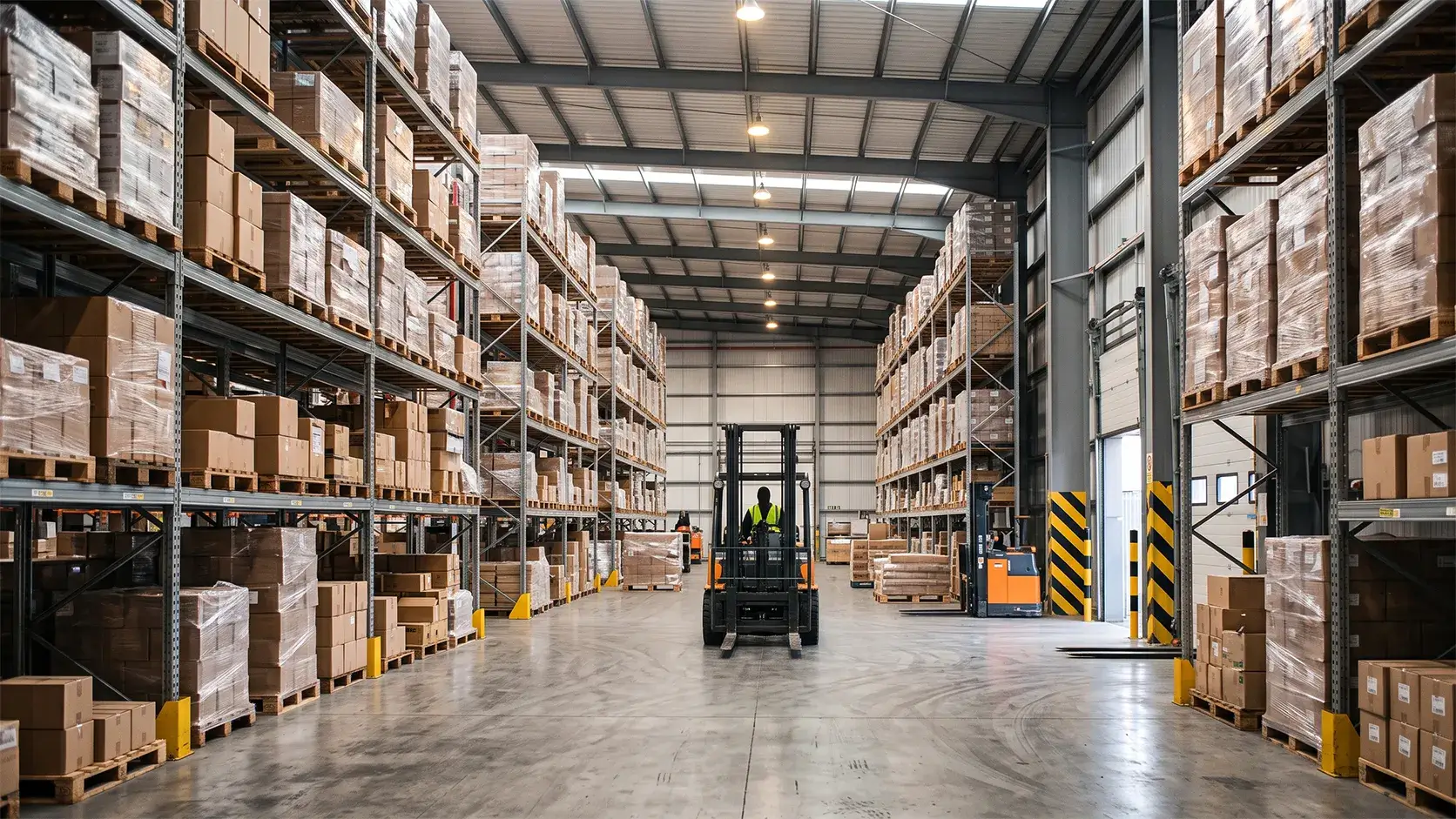

Fiscal Warehouse in Costa Rica: What It Is, How It Works, and When to Use It
If your company imports goods and needs a Customs-authorized place to store them before clearing them, a fiscal warehouse in Costa Rica is the piece you’re missing. Moving international cargo without one means paying taxes immediately or risking having your goods stuck at the port or airport.
Quick answer: a fiscal warehouse (bonded warehouse) is a facility authorized by the Directorate General of Customs to receive, hold, and store goods under customs control, without the importer paying taxes right away. Goods can stay there for up to a year while you decide whether to clear them, re-export them, or dispose of them, and companies like JPL Logística de Transporte offer this service together with customs brokerage, so the whole process stays with a single provider.
What is a fiscal warehouse?
A fiscal warehouse — also called a bonded warehouse or customs depository — is a facility authorized by the Directorate General of Customs (DGA), under the Ministry of Finance, to receive goods that have arrived in the country but have not yet paid import taxes. While stored there, the cargo remains under customs control: it cannot be withdrawn or sold without completing the corresponding procedures. SICSA, one of the operators providing this service in the country, describes it as a facility where imported goods do not pay taxes or duties until they are released for local sale or export.
The legal basis is the General Customs Law (Ley 7557) and its regulations, which define fiscal warehouses as auxiliaries to the public customs function. This means they operate under direct authorization and supervision from Customs, not as an ordinary private warehouse.
How does a fiscal warehouse work in Costa Rica?
The process, in simple terms, follows this order:
- Goods arrive at the port, airport, or border crossing and are transferred to the authorized fiscal warehouse.
- The warehouse logs the entry, and the goods come under the customs deposit regime.
- The importer, with help from a customs broker, decides the final destination: clearing the goods (paying taxes and withdrawing them), re-exporting them, moving them to another regime (such as a free trade zone), or abandoning them.
- Once the procedure is resolved, Customs authorizes the goods’ release from the warehouse.
Throughout that time, the fiscal warehouse is accountable to Customs for the physical custody of the cargo, including any shortage or damage.
Types of fiscal warehouse and examples in Costa Rica
Costa Rica has two main modalities:
- Private fiscal warehouse: authorized to receive goods from a single company, usually the same one operating it. Common in industries that import large volumes of raw materials or their own supplies.
- Public fiscal warehouse: receives goods from different importers and clients. This is the option most used by companies that don’t handle enough volume to justify their own warehouse.
The country has several authorized operators of this kind. SICSA has operated in the Greater Metropolitan Area (Goicoechea) since 1976, combining fiscal warehouse with general warehousing. On the Pacific side, Alfipac — Almacén Fiscal del Pacífico, S.A. provides a similar service near Puerto Caldera, geared toward cargo entering through that port (its site is Spanish-only). These are two examples of how the service varies by location and the type of cargo each company handles.
How long can goods stay in a fiscal warehouse?
Under Article 157 of the General Customs Law, goods can remain in fiscal deposit for a maximum of one year from entry. If the importer does not clear, re-export, or otherwise dispose of them within that period, Customs declares them abandoned (EY Tax Alert).
Executive Decree No. 9947, in force since February 17, 2021, added a final paragraph to that same article: it lets the Executive Branch grant an extension of up to one additional year, but only during a declared national emergency and only if it formally announces the extension. Outside that scenario, the general one-year limit still applies.
How do you know if a fiscal warehouse is authorized?
Not every warehouse can call itself a “fiscal warehouse”: it must be authorized by the Directorate General of Customs and operate within the Ministry of Finance’s TICA system (Information Technology for Customs Control), where authorized customs depositories are registered. Before leaving goods in an operator’s hands, it’s worth confirming directly with the Ministry of Finance that it’s listed as an authorized depository — not just taking the operator’s word for it.
Benefits of using a fiscal warehouse
- You don’t pay taxes until you decide the goods’ destination. This frees up working capital while you decide whether to clear the whole shipment or just part of it.
- It reduces the risk of abandonment from not knowing the process. An experienced operator knows the deadlines and keeps goods from falling into abandonment by oversight.
- It lets you clear goods in stages. If you have a container with mixed merchandise, you can clear only what you need right away and leave the rest in deposit.
- It makes consolidation and re-export easier. Useful for companies importing to distribute across the region, not just the Costa Rican market.
Fiscal warehouse vs. customs brokerage: what’s the difference?
| Fiscal warehouse | Customs brokerage | |
|---|---|---|
| Main function | Holds goods under customs control | Files the customs declaration and represents the importer before the Ministry of Finance |
| Where it operates | In the physical warehouse | In the documentary and digital process |
| Responsibility | Custody and security of the cargo | Accuracy of the declaration and regulatory compliance |
Many importers prefer working with a provider that offers both services together, like JPL Logística de Transporte, so they don’t have to coordinate the warehouse and the customs process separately.
What documents do you need to bring goods into a fiscal warehouse?
- Bill of lading or air waybill.
- Commercial invoice.
- Packing list.
- Customs transit or deposit declaration, as applicable.
- Prior permits, if the goods require them (for example, health registrations).
The fiscal warehouse verifies these documents before physically receiving the cargo.
When does it make sense for your company to use a fiscal warehouse?
It’s especially worth it if:
- You import large volumes and need to stagger tax payments.
- You don’t yet have a buyer or final destination defined for all the goods.
- You re-export part of your cargo to other countries in the region.
- You want to avoid the risk of abandonment from not tracking the deadline.
If your operation is small and you clear goods immediately on arrival, you may not need fiscal deposit and the direct customs process will be enough.
Conclusion
A fiscal warehouse in Costa Rica gives you time and flexibility: your goods stay under Customs-authorized custody while you decide whether to clear them, re-export them, or give them another destination, without paying taxes right away and without losing track of the legal one-year deadline. There are several authorized operators in the country, from SICSA and Alfipac to providers with broader coverage. JPL Logística de Transporte combines fiscal warehouse and customs brokerage in a single service, with more than 20 years of experience in transportation and customs procedures in Costa Rica.
Frequently Asked Questions
What is a fiscal warehouse in Costa Rica?
It’s a warehouse authorized by the Directorate General of Customs to receive and hold goods that have not yet paid import taxes, while the importer decides their final customs destination.
How long can goods stay in a fiscal warehouse?
Up to one year from entry, under Article 157 of the General Customs Law. Executive Decree 9947 lets the government extend that by up to one more year, but only during a declared national emergency.
What’s the difference between a private and a public fiscal warehouse?
A private one receives goods from a single company, usually the one operating it. A public one receives cargo from different importers, like the service offered by SICSA or Alfipac.
Is a fiscal warehouse the same as a customs brokerage?
No. The fiscal warehouse physically holds the goods; the customs brokerage files the declaration and represents the importer before the Ministry of Finance. They can be separate providers or a single one offering both services.
How do I know if a fiscal warehouse is authorized by Customs?
It must be listed as an authorized customs depository within the Ministry of Finance’s TICA system. It’s worth confirming this directly with the Ministry of Finance before leaving goods with any operator.
What happens if goods fall into abandonment?
Customs can proceed with their auction or destruction, depending on the type of goods and the applicable legal procedure. That’s why it’s important to track the deadline from the moment the cargo enters.
What documents do I need to bring goods into a fiscal warehouse?
Generally, the bill of lading or air waybill, the commercial invoice, the packing list, and the corresponding customs declaration, plus prior permits if the goods require them.
Does JPL offer fiscal warehouse service?
Yes. JPL Logística de Transporte combines fiscal warehouse and customs brokerage, along with air and sea transportation, so the import process stays with a single provider.